Stark/Dark images
Explanation
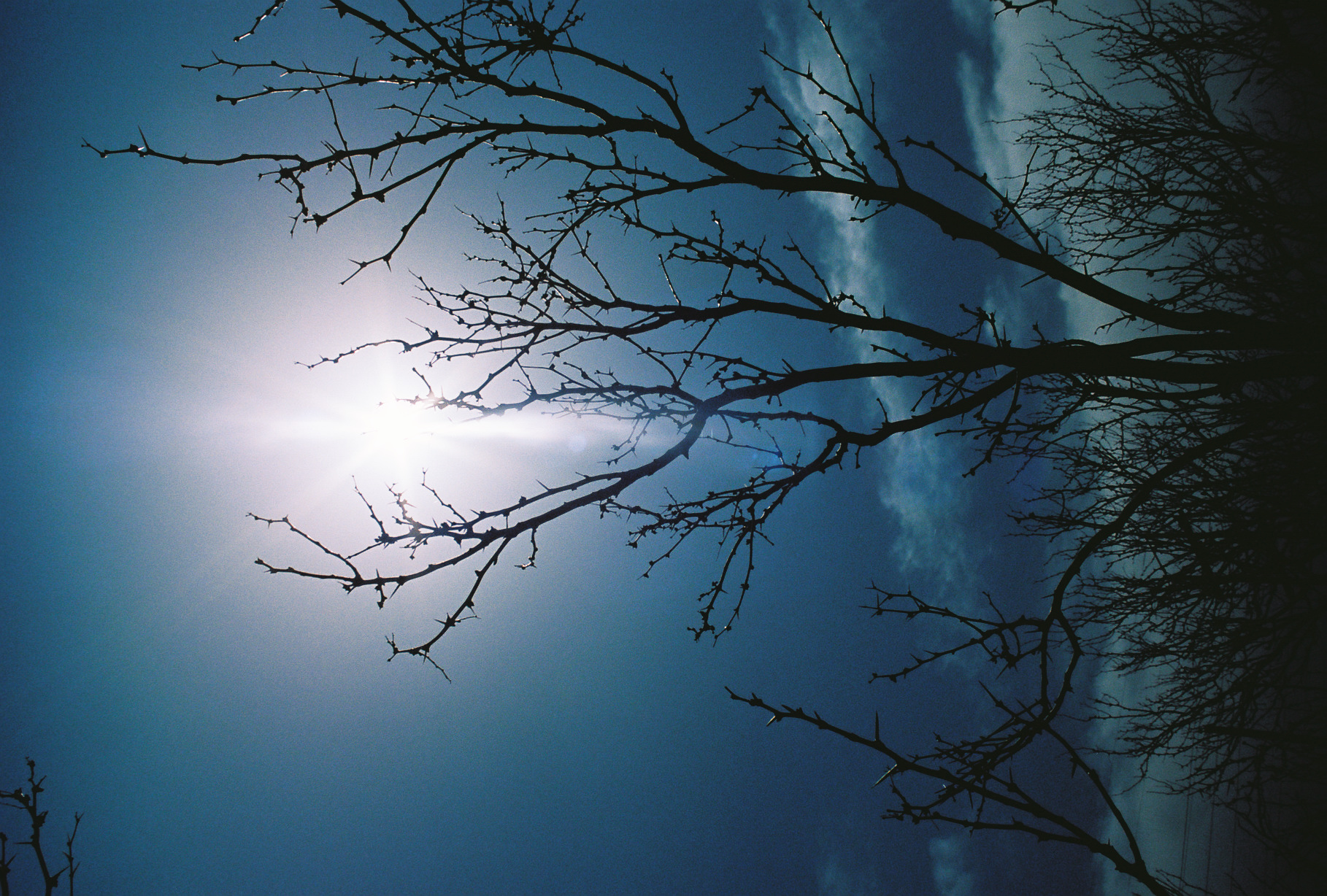
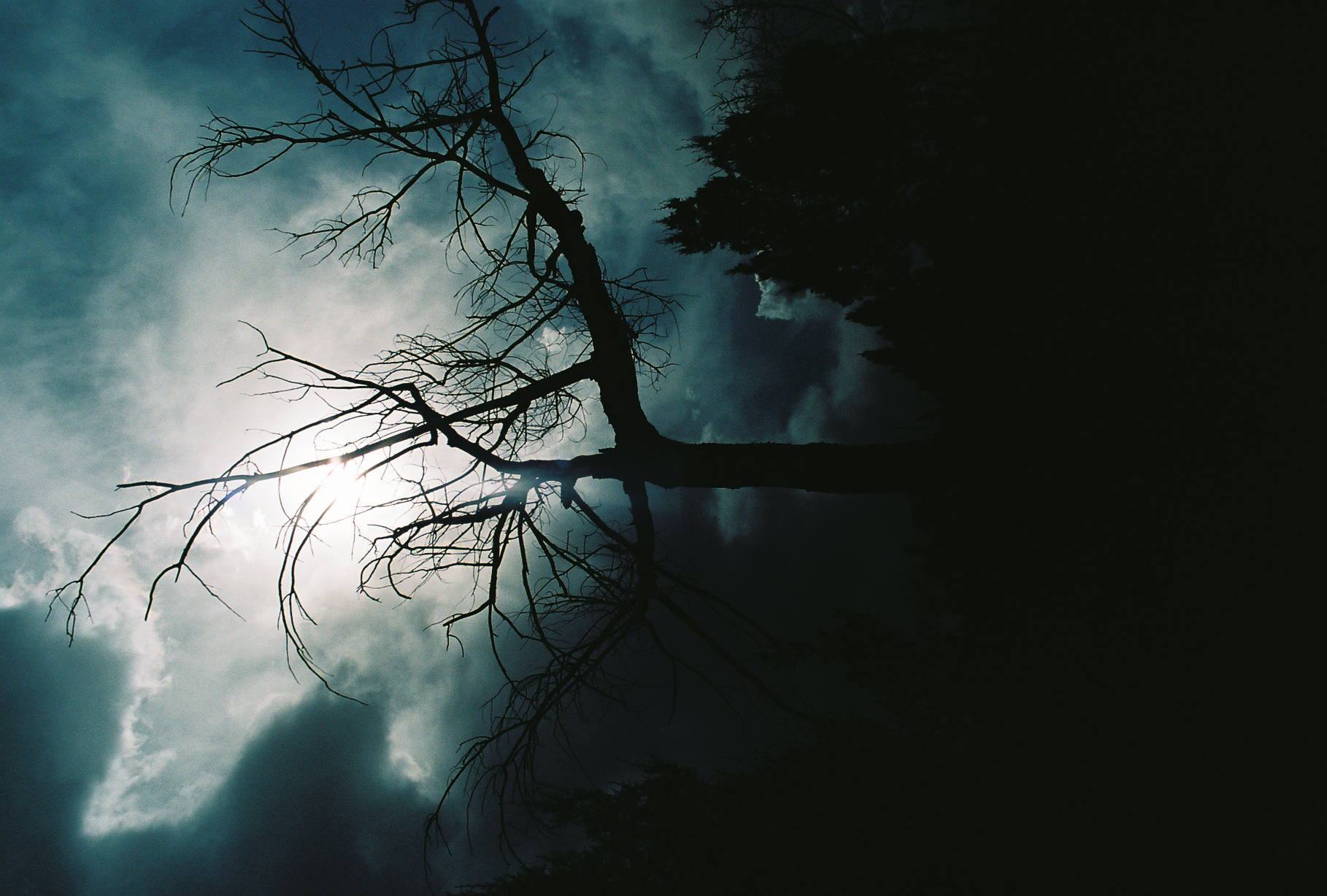
For this post I want to talk about 4 pictures I took that stem from two images. The first two pictures I would say stem from one image and the other two from a different one. As a result, I can crystallize a bit of my thoughts further on images vs pictures. In each set, the first picture was taken at Wildcat Bluff and the second picture was taken in Palo Duro Canyon. Also, unlike some other posts, this one is focused more on an analysis of the pictures and how I took them over the memories of the conditions of me taking the pictures.For the first two pictures, I would probably describe them as dark, spooky tree pictures. Honestly, they don't necessarily tell appealing or unique stories, but instead are evocation pictures. The story told is more of an emotion or callback than any specific memory or event. For these types of images, any largely leafless tree works. The only other requirement is that the sun is out and quite bright. Note that it doesn't matter if it's partly cloudy, as long as there is an unobstructed view of the sun (or other bright light source). In both of these pictures, the picture is taken from a low position to get the sun squarely in the frame. It's important to get the sun in the frame so the tree is silhouetted. To get that type of silhouette effect requires a large difference in brightness between the tree/anything else in the frame and the sun and sky. This is why it needs to be quite bright. Generally, in order to force this kind of silhouetting you'll need to stop way down (high f stop number) and shoot quite quickly, otherwise the opposite effect will occur, with the sun/sky being blown out white.
When I talk about the difference between an image and a picture, mostly what I'm thinking about is described with these first two pictures. Clearly, they are different pictures. They're different trees, taken at different times in different places. However, the effect is similar. In my head, when I took these pictures I knew what picture was going to come out because I had the same base image in my head. Dark, spooky tree. That's not to say that you shouldn't take multiple pictures from the same base image, clearly I've taken two here. Instead, I think what I mean is that it's important to recognize the image you're trying to express and in that process understand what differences exist based on your current circumstances.
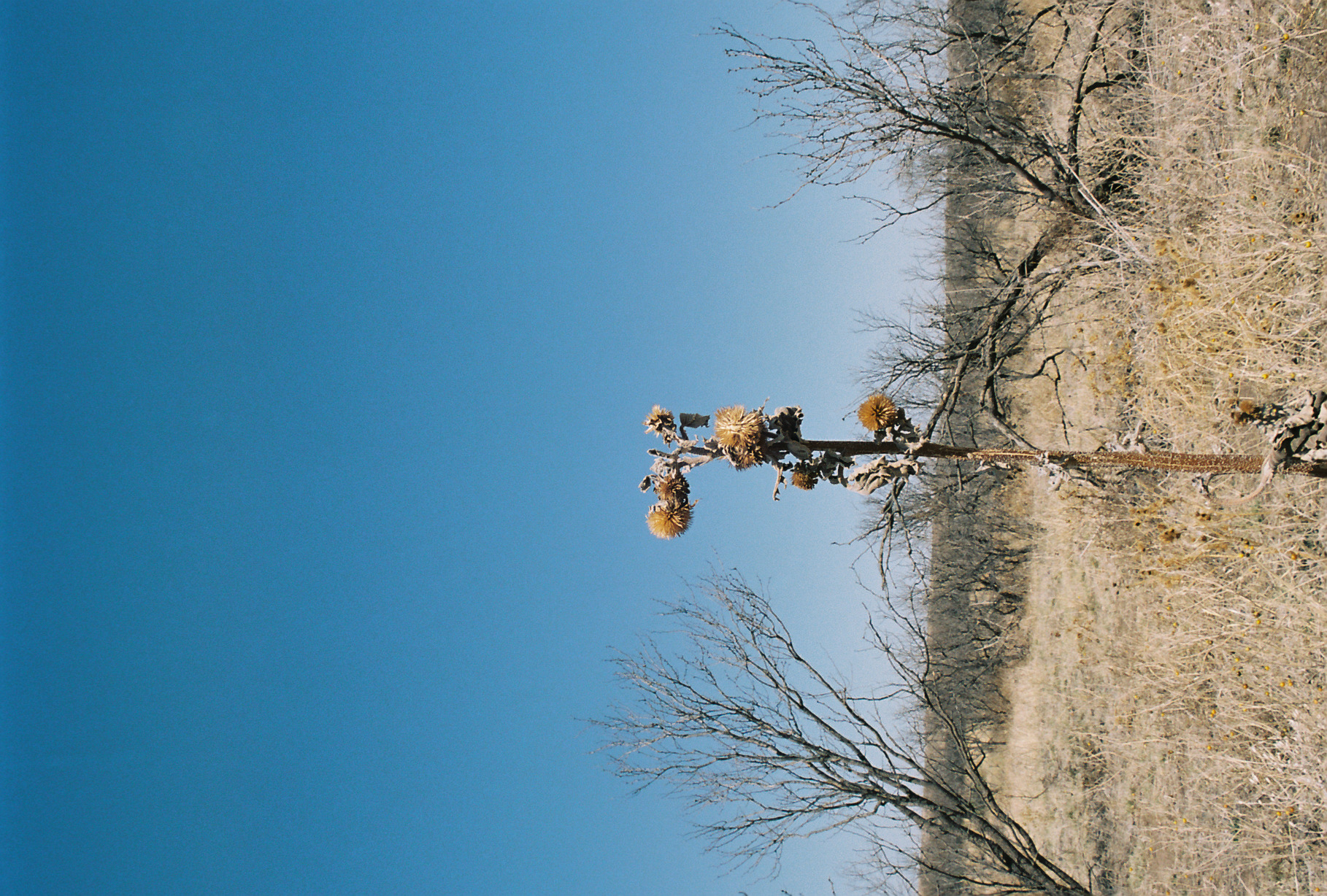
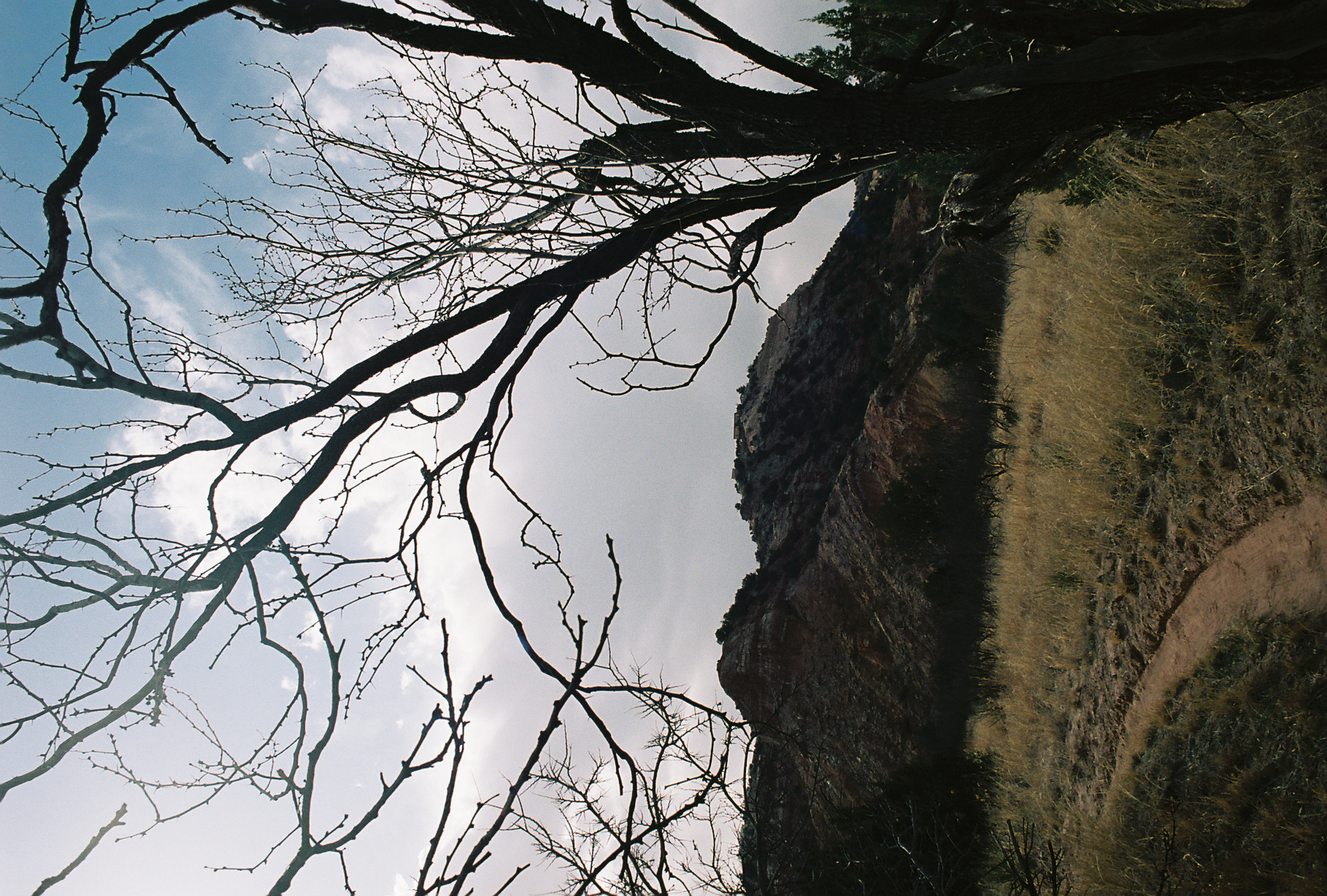
For the second two pictures, they're perhaps a bit more complex storywise but very simple as photographs. I would say that the shared image is one of a stark environment. Perhaps the emotion is loneliness or solitude. In these pictures specifically, it's the expression of life and lifelessness that creates that emotion. Unlike the first two, which I would say are faithful reproductions of a single image, these two are more like different interpretations of a shared image.
The first picture of this pair evokes more loneliness. To me, both looking at it now and also when I came across the flower pictured I was drawn to the isolation of the flower. In this frame, it feels like the only living thing among a backdrop of drought blighted earth. It evokes that feeling that life is fleeting, but also perhaps that we should cherish that bit of life that we have. It's a very bittersweet feeling and a very bittersweet picture. However, thought another way, you could view this picture as one of rebellion. One of independence and non-conformity. In terms of taking this picture, there's nothing really special. As with all of these pictures, it's shot wide angle (28mm), though that honestly isn't all that important. What's more important is that it is shot pretty sharp all the way through the frame, which requires focusing relatively far away and with a narrow aperture. What's also important to recognize here is that there's really nothing special about this flower in particular. It just happens to stand out against its backdrop and that's all that's required.
Unlike the first picture which feels lonely, I would describe the second as one of solitude. Similar to the first two pictures, the tree is silhouetted, there's very little real detail visible for the tree itself. Like the first picture of this pair, this picture feels lacking in its vibrancy and life. However, unlike that picture, there's no singular existence fighting against that. If that picture can push rebellion and independence, this one can state a quiet comfort in conformity. Does the path that arcs along the branches' path and out of view comport more of the same? More of this seemingly lifeless existence? Or does it lead to a different view, one more vibrant and appealing? Why do I view this as solitude and not loneliness?
To me, solitude is a frame of mind that shares similar roots to loneliness. Both come from a state of being disconnected. Loneliness however revels in that disconnection, forcing itself deeper and deeper. It is a vicious emotion. However, it's also one that can yield those feelings of rebellion. Solitude however, inverts that. Instead of revelling in disconnection, making that the point, it reflects inward trying to seek connection even more broadly. Solitude allows me to think outside of myself, even if I'm the only one here. The path in the second picture therefore is a challenge. Will you see what's on the other side, even if here doesn't look great?
To be sure, these pictures are cut from a similar base image. They both evoke a stark, life-limited environment. The grass is long, but dry. The trees are bare of leaves. But to me their perspectives are wholly different, and perhaps counter to their immediate effect. The first picture is brighter, it appears more lively, but I perceive it as more lonely, more disconnected. The second picture is darker, it appears less friendly, but I perceive it as more welcoming and more comforting.
If the first pair of pictures shows the possibility of reproducibility of an image, this second pair shows the possibility of difference. While you could argue that the second pair stem from two different images, I might counter that whatever image(s) you're looking at share many similar roots. I'll be honest and say that the idea of a stark image came to mind for both, but not necessarily the same stark image. It's a broad category of images after all. One that can conjure images of snowy mountains and scorching deserts. Where you draw the line for a different image is up to you.